

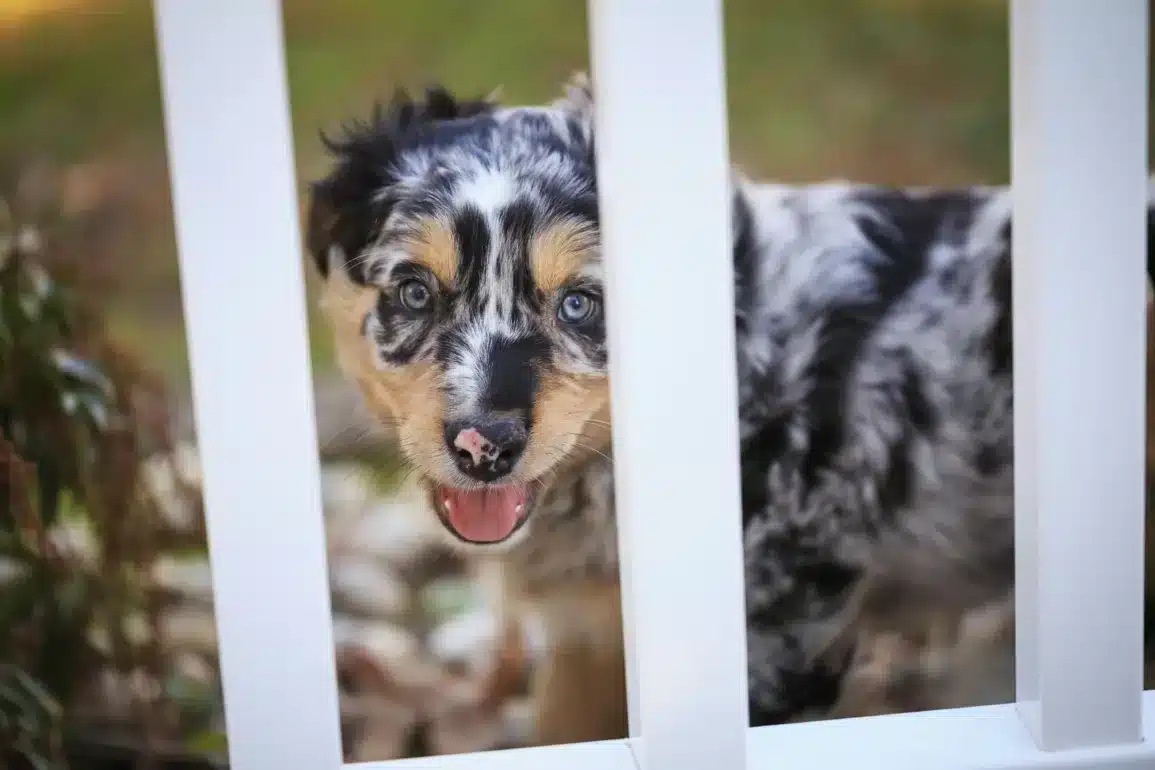
For many homeowners, dogs are family. Keeping them safe while giving them room to roam is one of the most important considerations when planning a property’s outdoor design. A thoughtfully chosen fence does more than define boundaries; it creates peace of mind, protects landscaping, and can even enhance the look of your home. When style and function come together, you get a fencing solution that’s as secure as it is sophisticated.
Here are six approaches to consider if you want to blend luxury living with the confidence that your dog is protected.
Using Fencing to Create a Dog Proof Garden
If you’ve ever invested time in manicuring flower beds or planting herbs only to watch your dog charge through them, you already know the frustration. This is where fencing can be a way to shape the landscape itself. A well-designed barrier can turn a regular yard into a true dog proof garden, preserving your plantings while giving your dog space to explore. The key is scale. Low decorative fences might look appealing, but larger breeds will see them as minor obstacles. Opting for taller, more substantial materials ensures your greenery stays untouched while your dog enjoys the rest of the yard.
Think of it as zoning for your property. A sectioned-off garden creates a sanctuary for plants, while the rest of the yard can serve as your dog’s playground. This approach respects both your investment in landscaping and your dog’s need for freedom. It’s a compromise that doesn’t feel like one because it balances beauty with practicality.
Why a Metal Yard Fence Stands Out
When security takes priority, few solutions compete with the durability and elegance of a metal fence. Not only does it keep your guard dog(s) safely contained, but it also elevates the aesthetic of your property. The strength of a metal yard fence means you don’t have to worry about a determined doberman pushing through or chewing at weaker materials. With a range of styles available, from ornate iron to streamlined modern designs, you can find an option that aligns with your architecture without sacrificing security.
What makes this type of fencing particularly effective is its versatility. It works equally well for expansive estates and more modest suburban lots, offering both visibility and strength. The open structure allows your dog to see out, which can reduce anxiety, while still preventing them from wandering. A metal fence also weathers time gracefully, requiring far less maintenance than wood while maintaining its integrity for decades.

Balancing Privacy With Pet Safety
Not every homeowner wants the outside world to see into their property. Solid fencing options like tall wood or composite panels add privacy while still creating a secure space for dogs. This type of enclosure is particularly useful if your dog is easily distracted by passing neighbors, wildlife, or vehicles. By blocking the line of sight, you’re reducing unnecessary stimulation that could lead to barking or attempts to escape.
The beauty here lies in the flexibility of design. You can choose natural wood for a classic estate feel or composite materials for low-maintenance longevity. Adding decorative details such as lattice tops or integrated lighting can soften the look while keeping your fence aligned with the overall elegance of your property.
Combining Technology With Traditional Barriers
Modern fencing solutions go beyond wood and metal. For homeowners interested in layered protection, integrating technology into your fencing plan can provide extra assurance. Invisible fences, when paired with physical barriers, act as a reinforcement rather than a stand-alone. This combination prevents the rare but possible escape while still giving you the structure and visual beauty of a traditional fence.

Technology can also mean automated gates, timed lighting, and security cameras that monitor the perimeter. For a luxury property, these features create a sense of cohesion, where dog safety is part of a broader commitment to security and smart living. The point isn’t to replace the elegance of traditional fencing but to enhance it with systems that quietly do their job in the background.

The Role of Height and Scale in Dog Security
It’s easy to underestimate how determined a dog can be when something catches their attention. A small fence may look fine until your retriever decides the neighbor’s squirrel is worth a chase. Height matters. Larger dogs often require fences six feet or higher to ensure they don’t leap their way into trouble.
Smaller dogs, on the other hand, may not be able to clear high fences, but they can squeeze through surprisingly narrow gaps. This is where the details of design come into play. Close-set pickets prevent small breeds from slipping out, while reinforced bases keep diggers from tunneling.
Blending Aesthetics With Outdoor Living
A fence should feel like an extension of your home’s architecture rather than an afterthought. For many high-end properties, the outdoor environment is as important as the interior. The right fencing material and overall design can complement outdoor kitchens, pools, and landscaped gardens, creating a seamless flow from one space to another. Think of fencing as part of your overall outdoor living plan rather than a separate project.