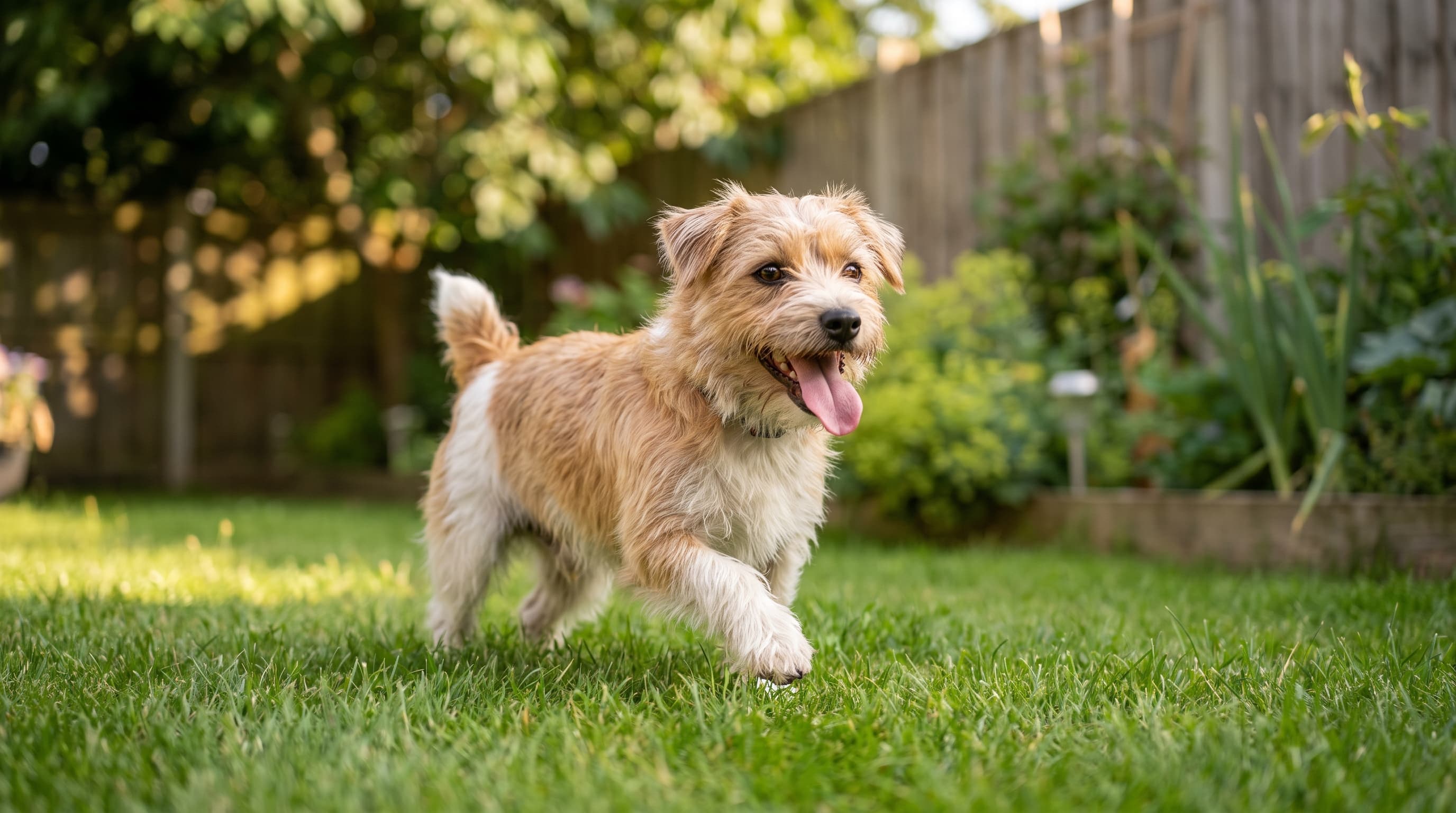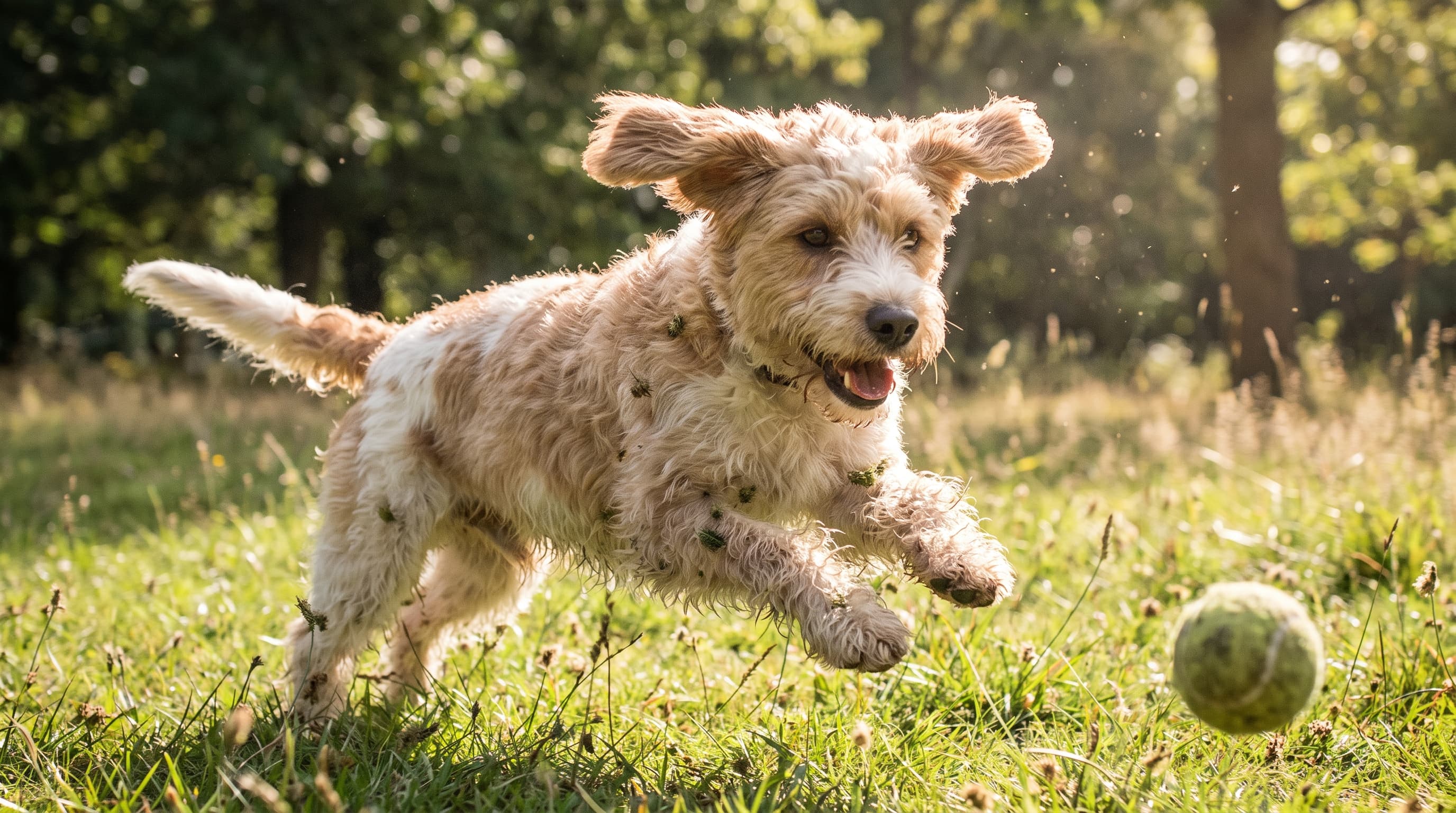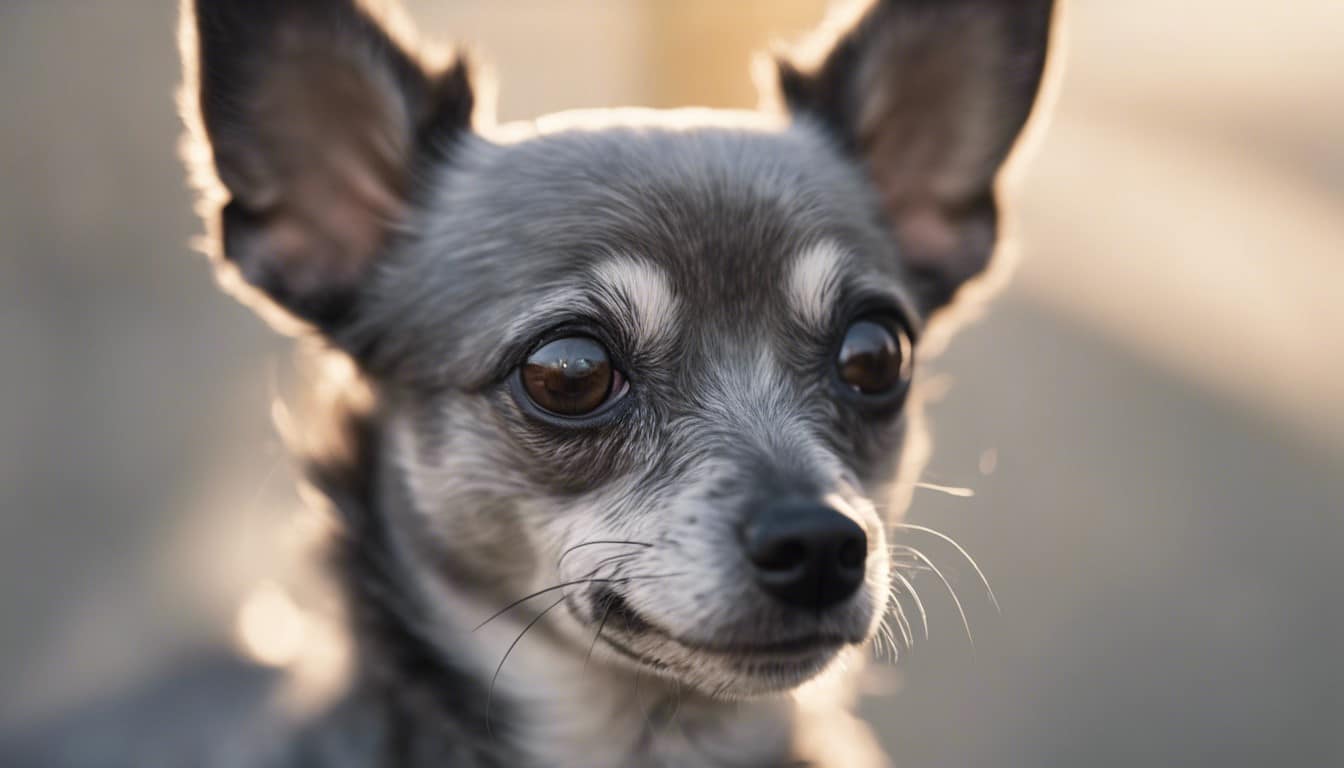

The Italian Greyhuahua is a small designer crossbreed between an Italian Greyhound and a Chihuahua, typically weighing 6–15 pounds and standing 8–13 inches tall. Also called the Italian Chi or the Italian Greyhuahua, this hybrid is prized for its lean, athletic build, deep velcro-like attachment to one person, and surprisingly low-shedding short coat. The breed is a strong fit for solo adults, retirees, and couples in warmer climates looking for a small lap dog with the soul of a tiny sighthound.
Italian Greyhuahua at a Glance
Before going deeper, here are the essentials prospective owners ask about most:
- Other names: Italian Chi, Italian Greyhound Chihuahua mix, Iggy Chi
- Parent breeds: Italian Greyhound × Chihuahua
- Weight: 6–15 pounds (most fall in the 8–12 lb range)
- Height: 8–13 inches at the shoulder
- Lifespan: 12–16 years
- Coat: Short, smooth, fine — single-layer with minimal shedding
- Shedding: Low — one of the lower-shedding small mixes
- Energy level: Medium — short bursts of intense play, long naps in between
- Good with kids: Better with older, gentle children; very fragile around toddlers
- Good with other pets: Good with calm dogs; sighthound prey drive can show with small pets
- Apartment-friendly: Yes — quiet, small, and content with indoor exercise
- Cold tolerance: Poor — needs a sweater anytime it's below 50°F
- Recognition: Not AKC-recognized; recognized by the American Canine Hybrid Club and Designer Breed Registry
Appearance
The Italian Greyhuahua's look depends almost entirely on which parent's genes win out, and even littermates can look strikingly different. The most consistent traits are a lean, leggy frame and a fine, almost translucent coat.
Body: Slender and athletic, with the Italian Greyhound's deep chest and tucked-up waist softened by the Chihuahua's more compact frame. Most Italian Greyhuahuas weigh 6–15 pounds, with longer legs and a more refined silhouette than most Chihuahuas.
Head and face: Expect a narrow, slightly elongated muzzle, large expressive eyes (often dark and prominent), and ears that range from upright (Chihuahua-style apple-head) to folded back rose-ear position (Italian Greyhound). The expression is typically alert, curious, and a little melodramatic.
Coat: Almost always short, fine, and smooth — one of the easiest coats to maintain among small designer breeds. A small number of Italian Greyhuahuas inherit the long-coated Chihuahua's slightly longer fur, but it's still considered short overall.
Color: The breed comes in almost every color combination found in either parent breed — fawn, cream, white, black, blue, chocolate, sable, brindle, and various combinations with white markings. The Italian Greyhound side often passes on a slightly lighter, more dusty coat color.
History
The Italian Greyhuahua doesn't have the centuries-old origin story of its parents — both of which trace back thousands of years. Italian Greyhounds were companions to Italian nobility from the Renaissance era, and Chihuahuas descend from ancient Techichi dogs kept by the Toltec people of Mexico. The cross itself is much newer, emerging in the United States during the designer-dog boom of the 1990s and early 2000s alongside the Maltipoo, Chiweenie, and other small hybrids.
The goal of the cross was to produce a small companion with the Italian Greyhound's elegance, low-shedding coat, and gentle disposition, balanced by the Chihuahua's hardier build and bigger personality. The result is a dog that's a little more substantial than a pure Italian Greyhound (which is famously fragile) and a little less excitable than a typical Chihuahua.
The Italian Greyhuahua isn't recognized by major kennel clubs like the AKC, but the American Canine Hybrid Club (ACHC), the Designer Breed Registry, and the International Designer Canine Registry all acknowledge the cross. Reputable breeders typically charge $500–$1,500 per puppy, similar to other small designer crosses.
Temperament & Personality
Italian Greyhuahuas are best described as small dogs with deep, sensitive attachments to their people. They inherit the Italian Greyhound's affectionate, almost cat-like devotion and the Chihuahua's bold personality, producing a dog that bonds intensely with one or two people and isn't shy about expressing opinions.
With family: Italian Greyhuahuas are textbook velcro dogs. They want to be on your lap, under a blanket, in your bed, and pressed against you whenever possible. Owners often report a strong preference for one person — usually whoever spends the most time at home — though they can warm to the whole family with consistent attention.
With children: Better with older, gentle kids who understand how to handle a small dog. The Italian Greyhuahua's slim build and fine bones make it genuinely fragile — a fall from a sofa or a stepped-on paw can cause serious injury. The Chihuahua side can also show defensive snapping if it feels cornered or grabbed roughly.
With other pets: Generally good with calm dogs, especially other small breeds. The Italian Greyhound's sighthound prey drive can show up around cats, hamsters, birds, and other small pets — sometimes manageable with socialization, sometimes not. Reputable breeders will be honest about an individual dog's prey drive.
Alone time: This is the Italian Greyhuahua's weakest area. They're highly prone to separation anxiety and can become destructive or chronically anxious when left alone for long stretches. Most adults handle 4–5 hours alone if properly exercised; longer days need a dog walker, daycare, or a companion pet.
Watchdog ability: Reasonable for the size. The Chihuahua side will alert-bark at strangers and unusual sounds, though the Italian Greyhuahua is generally quieter than a pure Chihuahua. Expect alert-barking, not nuisance barking.
Health
Italian Greyhuahuas benefit from hybrid vigor in some areas but inherit risks from both parent lines. Reputable breeders screen for the most serious conditions; rescue or backyard-bred dogs may carry undetected issues. Common conditions to watch for include:
- Patellar luxation: Kneecap displacement, common in both parent breeds. Symptoms include intermittent skipping or holding up a back leg. Mild cases can be managed; severe cases may need surgery.
- Dental disease: The single biggest long-term health issue in this breed. Both parents have crowded teeth in small jaws, and Italian Greyhuahuas often need professional dental cleanings starting at age 3. Daily brushing extends lifespan significantly.
- Hypoglycemia: Low blood sugar, especially in puppies and very small adults. Owners of teacup-sized Italian Greyhuahuas should feed small meals every 4–6 hours.
- Heart conditions: Patent ductus arteriosus and mitral valve disease occur in both parent breeds and can show up in middle to senior years. Annual vet exams should include heart auscultation.
- Eye conditions: Progressive retinal atrophy, cataracts, and dry eye occur in both parent breeds. The Italian Greyhound side adds risk for vitreous degeneration.
- Bone fragility: The Italian Greyhound is famously prone to leg fractures from jumps and falls, and Italian Greyhuahuas can inherit fine bones. Owners should prevent jumps off furniture and supervise around larger dogs.
- Hydrocephalus: Fluid accumulation in the brain, more common in apple-head Chihuahua crosses. Reputable breeders avoid the dome-headed dogs most at risk.
- Cold sensitivity: Not a disease, but a real welfare issue — Italian Greyhuahuas can shiver, refuse to potty outside, or develop hypothermia in cold weather. Sweaters and limited cold exposure are essential.
The Italian Greyhuahua's typical lifespan of 12–16 years assumes good preventive care, including annual vet checkups, dental cleanings, weight management, and parasite prevention. Toy-sized dogs often live the longest of any size group when properly cared for.
Exercise Needs
Despite their small size and reputation as lap dogs, Italian Greyhuahuas have moderate energy levels with a sighthound's bursty style. Plan for 30–45 minutes of activity per day, broken into multiple shorter sessions. They thrive on a mix of:
- Two daily walks (15–20 minutes each) at a brisk but not punishing pace
- Short bursts of intense indoor play — fetch in a hallway, tug, chase games
- Mental enrichment via puzzle feeders or short training sessions
- Sniff walks where the dog leads and explores at its own pace
Weather considerations:
- Italian Greyhuahuas overheat quickly in summer — walk early or late in hot months and skip the midday trip
- Below 50°F, most Italian Greyhuahuas need a sweater or coat for outdoor time
- Below 32°F, limit walks to short potty breaks and use a coat plus boots for cold-sensitive dogs
- Snow, ice, and salted sidewalks are especially hard on this breed — booties or wax paw balm help
They make excellent apartment dogs precisely because their exercise needs can be met largely indoors and on neighborhood walks, but skipping daily activity leads to anxious pacing, destructive chewing, and excessive barking.
Training
Italian Greyhuahuas are intelligent but sensitive, and they can be more challenging to train than the average small dog. The Italian Greyhound side is famously stubborn about house training, and the Chihuahua side has its own independent streak.
What works: Short (5–10 minute) positive-reinforcement sessions multiple times a day, high-value treats, and a gentle voice. Italian Greyhuahuas respond well to clicker training and are quick to learn simple cues like sit, down, and come when motivated by food or praise.
What doesn't: Harsh corrections, yelling, or physical punishment. Italian Greyhuahuas are emotionally sensitive and will shut down, hide, or develop chronic fear. The Chihuahua side may snap if cornered or scared. Force-based training is genuinely counterproductive with this breed.
Common training challenges:
- House training: Often the hardest part. The Italian Greyhound is widely considered one of the toughest breeds to fully house-train, and Italian Greyhuahuas inherit the difficulty. Plan for 6+ months of consistent crate training, frequent outside trips, and a backup pee-pad strategy for cold or wet weather.
- Separation anxiety: Address from day one with gradual alone-time training, never as a fix after the dog has already developed anxiety.
- Excessive barking: Less of an issue than in pure Chihuahuas, but still worth training a "quiet" cue early.
- Fear-based behavior: Italian Greyhuahuas can be shy or timid without proper socialization. Expose puppies to varied people, dogs, sounds, and surfaces from 8–16 weeks.
- Prey drive: The sighthound chase instinct can lead to bolting after squirrels, cats, or running children. A reliable recall is essential — and so is keeping the dog on leash anywhere not securely fenced.
Early socialization (8–16 weeks) is critical. Expose the puppy to varied people, dogs of different sizes, sounds, surfaces, and environments to avoid the timid-and-snappy adult dog that some Italian Greyhuahuas become without it.
Grooming
The Italian Greyhuahua's short, fine coat is one of the easiest among small designer breeds. Most owners can handle all grooming at home.
Coat care:
- Brush weekly with a soft bristle brush, rubber curry, or grooming mitt
- Bathe every 6–8 weeks; over-bathing dries out the skin
- Watch for dry skin in winter — a humidifier helps
All Italian Greyhuahuas:
- Daily teeth brushing (or as close as you can manage) with dog-safe toothpaste — dental disease is the breed's biggest long-term health issue
- Weekly ear checks and cleaning, especially for floppy-eared dogs prone to moisture buildup
- Nail trims every 3–4 weeks — long nails change the dog's gait and put extra stress on the toes
- Anal gland expression as needed (some need it; some never do)
- Wipe down legs and belly after walks in cold or wet weather — the thin coat means salt and road grime sit close to skin
Nutrition
Italian Greyhuahuas do best on high-quality small-breed kibble formulated for their size and metabolism. Look for foods with:
- Real animal protein as the first ingredient (chicken, turkey, lamb, fish)
- Limited fillers like corn, wheat, and soy
- Small-breed kibble size (large pieces are harder for small jaws)
- Appropriate caloric density — Italian Greyhuahuas have a fast metabolism but can still gain weight on a sedentary lifestyle
Portion guide: A typical adult Italian Greyhuahua (8–12 lbs) eats roughly ½ to 1 cup of dry food per day, split into two meals. Adjust based on weight, activity, and treats. Puppies under 6 months need 3–4 smaller meals to prevent hypoglycemia.
Foods to avoid: Grapes, raisins, chocolate, onions, garlic, xylitol (in many human foods including peanut butter), macadamia nuts, and cooked bones. The Italian Greyhuahua's small size means even tiny amounts of toxic foods can be dangerous — call ASPCA Animal Poison Control immediately if you suspect ingestion.
Weight management: Italian Greyhuahuas should have a visible waist and you should feel the ribs with light pressure. An overweight Italian Greyhuahua is at higher risk for diabetes, joint problems, and shortened lifespan.
Is the Italian Greyhuahua Right for You?
The Italian Greyhuahua is a great fit if you:
- Live in an apartment or smaller home
- Are home most of the day or can arrange company for the dog
- Want a small, quiet, low-shedding dog
- Live in a warmer climate or are willing to dress the dog for cold
- Have older children or no children at home
- Want a dog that will spend most of its life on your lap
The Italian Greyhuahua is probably not for you if:
- You have toddlers or very young children
- You're gone 8+ hours a day with no plan for company
- You want a dog you can leave outdoors in any weather
- You have cats, hamsters, or other small pets the dog might chase
- You prefer dogs that are easy to house-train
- You want a sturdy, rough-and-tumble breed
Finding an Italian Greyhuahua
Reputable breeders: Look for breeders who health-test both parents (patellar evaluations, eye exams, cardiac auscultation, and dental checks), raise puppies in their home (not a kennel), let you meet at least the mother, and provide a written health guarantee. Avoid breeders who have multiple breeds available, ship puppies sight-unseen, or sell exclusively through pet stores.
Rescue: Italian Greyhuahuas and similar mixes do show up in shelters and small-dog rescues, especially in major metro areas. Search Petfinder for "Chihuahua mix" and "Italian Greyhound mix" in your area, and check breed-specific rescues like Italian Greyhound Rescue Foundation and Chihuahua Rescue — they often take in the crosses too.
Red flags to avoid: Suspiciously low prices, sellers who pressure you to "decide today," breeders who can't answer health-testing questions, or anyone trying to sell a "teacup Italian Greyhuahua" as a separate premium product. There's no recognized "teacup" variety — it's a marketing term for runts, and those puppies often have serious health issues including hypoglycemia and bone fragility.
Cost of Ownership
Initial costs:
- Puppy from a reputable breeder: $500–$1,500
- Rescue adoption: $100–$400
- Initial vet visit + vaccinations: $200–$400
- Spay/neuter: $200–$500
- Supplies (crate, bed, bowls, harness, leash, sweater, toys): $250–$450
Annual ongoing costs:
- Food: $250–$400
- Routine vet care: $300–$500
- Dental cleanings (often annual starting age 3): $400–$900 each
- Grooming (mostly DIY): $0–$150
- Pet insurance: $200–$500
- Treats, toys, miscellaneous: $200–$400
Plan for roughly $1,500–$2,500 in year one and $1,200–$2,200 per year ongoing. Emergency vet bills for fracture repair or dental surgery can add $1,500–$5,000+ in a single incident — pet insurance is worth pricing out, especially given the breed's bone fragility and dental issues.
Frequently Asked Questions
How long does an Italian Greyhuahua live?
Italian Greyhuahuas typically live 12–16 years. Good preventive care — annual checkups, dental cleanings, weight management, and parasite prevention — can push that toward the upper end of the range.
Are Italian Greyhuahuas hypoallergenic?
No dog is fully hypoallergenic, but Italian Greyhuahuas have a short, single-layer coat that sheds very little. Many allergy-prone owners tolerate them better than double-coated breeds; severe allergy sufferers should spend time with the specific dog before committing.
How big do Italian Greyhuahuas get?
Adult Italian Greyhuahuas typically weigh 6–15 pounds and stand 8–13 inches tall at the shoulder. Italian Greyhound-dominant dogs trend taller and leaner; Chihuahua-dominant dogs stay shorter and more compact.
Are Italian Greyhuahuas good with kids?
Italian Greyhuahuas do best with older, gentle children who understand how to handle a small, fragile dog. The breed's fine bones and the Chihuahua side's tendency to defensive snapping make them less suitable for households with toddlers or rough-housing kids.
Do Italian Greyhuahuas need a sweater?
Yes — Italian Greyhuahuas have very little body fat and a thin coat, so they get cold easily. Most need a sweater for indoor time below about 65°F and a coat (or coat plus boots) for outdoor time below 50°F. Snow, ice, and salted sidewalks are especially hard on this breed.
How much does an Italian Greyhuahua cost?
Expect $500–$1,500 from a reputable breeder, or $100–$400 through rescue. Annual ongoing costs run roughly $1,200–$2,200 including food, vet care, and supplies — and dental cleanings can add $400–$900 each starting in middle age.
Can Italian Greyhuahuas be left alone?
Italian Greyhuahuas are highly prone to separation anxiety and don't do well alone for long stretches. Most adults handle 4–5 hours alone if properly exercised and trained. Longer days require a dog walker, daycare, or a companion pet to prevent destructive behavior and chronic anxiety.
Are Italian Greyhuahuas easy to train?
Italian Greyhuahuas are intelligent but sensitive and somewhat stubborn. They learn quickly with positive reinforcement and patience, but house training is notoriously difficult — plan for 6+ months of consistent crate training and a backup pee-pad strategy for cold weather.
If the Italian Greyhuahua isn't quite the right fit, you might also consider the Chiweenie (Chihuahua-Dachshund mix), the Pomchi (Pomeranian-Chihuahua mix), or the Jack Chi for a similar size with different personality blends. You can also browse our full guide to Chihuahua mix breeds or read the breed profiles for the Italian Greyhound and Chihuahua for more on the parent breeds.