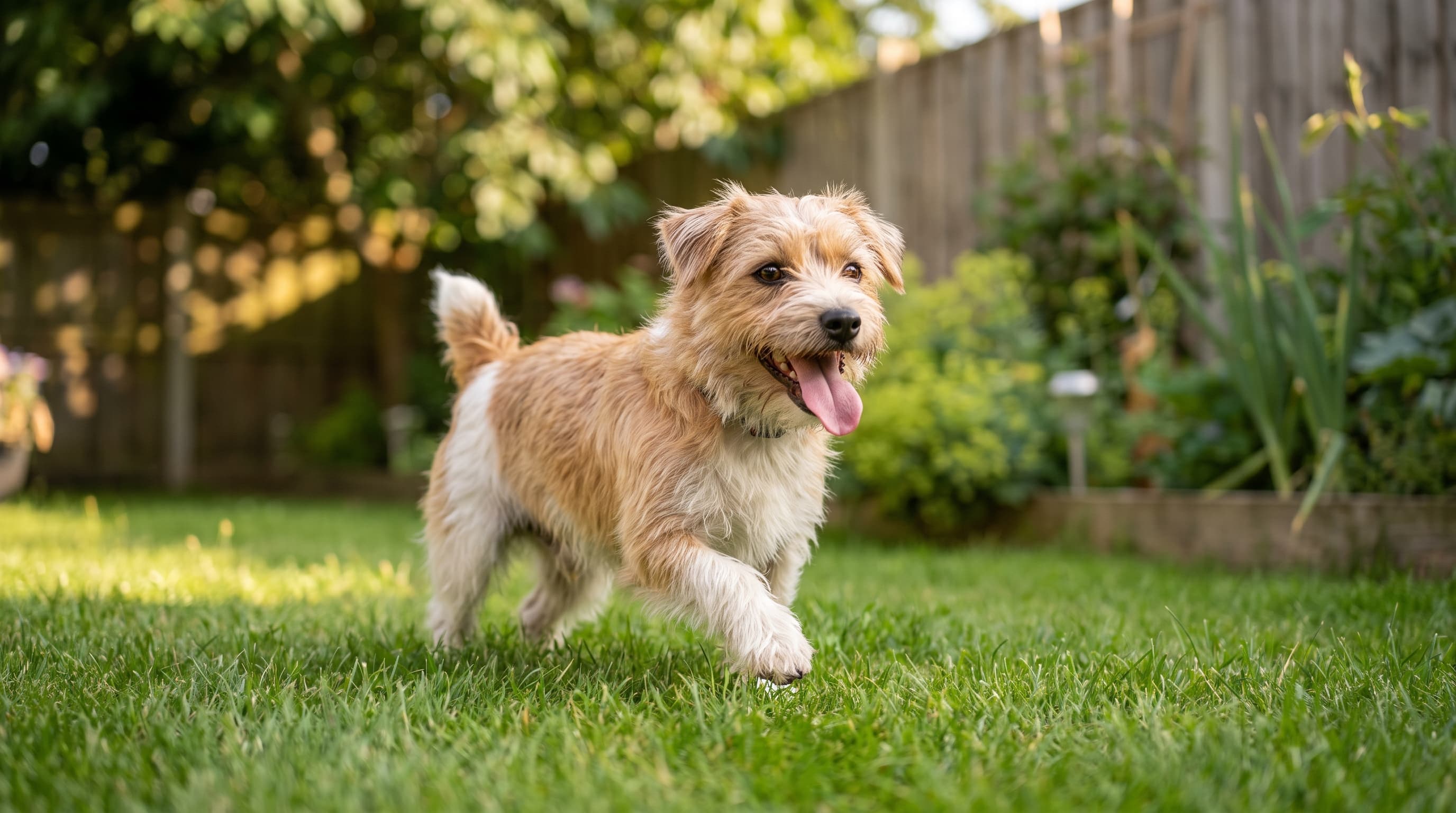

Yorkie Russell: The Complete Guide to the Yorkshire Terrier Jack Russell Mix
The Yorkie Russell is a small designer crossbreed between a Yorkshire Terrier and a Jack Russell Terrier, typically weighing 8–15 pounds and standing 10–15 inches tall. Bold, affectionate, and bursting with energy, this terrier mix lives 12–16 years and suits active owners who can match its exercise needs, channel its strong prey drive, and enjoy a big personality in a compact package.
What Is a Yorkie Russell?
The Yorkie Russell — sometimes called a Yorkie Jack or Yorkie Russell Terrier — is a first-generation cross between two of the most spirited terriers in the world. It is not a purebred and isn't recognized by kennel clubs like the AKC; instead it's a designer hybrid bred to blend the Yorkshire Terrier's devotion and portability with the Jack Russell Terrier's athleticism and fearless drive.
Because it's a mixed breed, no two Yorkie Russells are identical. Some lean Yorkie — daintier, silkier-coated, more of a lapdog — while others lean Jack Russell, with a sturdier build, wiry coat, and a relentless motor. Understanding both parent breeds is the only reliable way to predict what you're signing up for, so we'll look closely at each. If you're weighing whether a designer cross is right for you at all, our honest guide to adopting a designer dog breed is worth reading first.
Meet the Parent Breeds
The Yorkshire Terrier may look like a pampered lapdog today, but as the American Kennel Club notes, Yorkies "earned their living as ratters in mines and mills long before they became the beribboned lapdogs of Victorian ladies." Beneath that glossy coat beats the heart of a feisty, tenacious terrier — brave, affectionate, and far tougher than its size suggests. Explore the full Yorkshire Terrier profile to see where half of your Yorkie Russell's personality comes from.
The Jack Russell Terrier was developed in early-19th-century England by Reverend John Russell to bolt foxes from their dens. Per breed references, Jack Russells are "extremely intelligent, athletic, fearless, and vocal," standing about 10–15 inches and weighing 13–17 pounds, with smooth, broken, or rough coats. The closely related Parson Russell is "swift enough to run with horses and fearless enough to dig in and flush a fox." These are working dogs with enormous stamina and drive — a crucial half of the Yorkie Russell equation.
Appearance and Size
Yorkie Russells are small but rarely delicate. Most stand 10–15 inches at the shoulder and weigh 8–15 pounds, landing between their parents in build. The coat is the most variable trait: it can be short and smooth like a smooth-coated Jack Russell, wiry and broken, or longer and silky like a Yorkie, and it usually requires the grooming approach that matches whichever texture your dog inherits.
Common colors include the Yorkie's classic black-and-tan and blue-and-gold, the Jack Russell's white with tan or black markings, and a range of tricolor and tan combinations. Ears may stand erect, fold, or do one of each, and the overall look is alert, bright-eyed, and unmistakably terrier. A quick word of caution on the "teacup" trend: reputable breeders don't produce teacup Yorkie Russells, and deliberately breeding for extreme miniaturization is linked to fragile bones, liver shunts, low blood sugar, and shortened lifespans. A healthy small dog is a far better bet than a fashionable tiny one.
Temperament and Personality
Expect a confident, affectionate, highly intelligent dog that thinks it's much bigger than it is. Yorkie Russells bond tightly with their people and thrive on involvement in family life. They're playful, curious, and often comical — but they're also strong-willed, and both parent breeds are famously vocal, so barking at the doorbell, the mail carrier, and passing squirrels comes standard. Our guide to managing your dog's barking is a useful companion for this breed.
Two inherited traits deserve real attention. The first is prey drive: both parents were bred to chase and dispatch small animals, so a Yorkie Russell may bolt after cats, squirrels, or a neighbor's rabbit and should be leashed or securely fenced outdoors. The second is a tendency toward terrier stubbornness and, in some dogs, resource guarding or "small dog syndrome" — bossy, reactive behavior that owners accidentally reinforce by excusing it because the dog is small. Neither is a dealbreaker, but both mean this is a dog that needs genuine training and boundaries, not just cuddles.
Socialization and Training
Early, thorough socialization is the single most important investment you can make in a Yorkie Russell. Between roughly 8 and 16 weeks, expose your puppy calmly and positively to new people, gentle dogs, children, sounds, surfaces, and handling. Well-socialized Yorkie Russells can be terrific with respectful older kids and other pets; poorly socialized ones can become nippy, anxious, or scrappy with larger dogs they have no fear of.
Training-wise, these dogs are smart and food-motivated but independent, so keep sessions short, upbeat, and reward-based — harsh corrections backfire with sensitive terriers. Prioritize a rock-solid recall, polite leash manners, and impulse control around small animals. Crate training and a consistent routine also help with the separation anxiety these velcro dogs are prone to. A clicker is a great tool for a quick-thinking terrier; see our primer on clicker training to get started. Because they're clever and easily bored, daily puzzle toys and games prevent the digging, barking, and mischief that under-stimulated terriers invent for themselves.
Exercise Needs
Do not underestimate this little dog. A Yorkie Russell needs about 45–60 minutes of real activity every day — brisk walks, fetch, tug, flirt-pole sessions, and safe off-leash running in a fenced space. They excel at dog sports like agility and earthdog-style games that tap their heritage. Mental exercise counts too: scent games and training drills tire a terrier brain as effectively as a walk tires the body. A Yorkie Russell that gets enough exercise is a delightful housemate; one that doesn't will bark, dig, chew, and climb the walls. Their size does make them adaptable to apartments, provided the daily activity happens — see our roundup of the best dogs for apartments for context.
Grooming and Coat Care
Grooming depends entirely on which coat your dog inherits. A short, smooth coat needs only weekly brushing and the occasional bath. A wiry, broken coat benefits from regular brushing and periodic hand-stripping or trimming. A longer, silky Yorkie-type coat mats easily and needs brushing several times a week plus routine trims around the eyes and sanitary areas. Whichever coat you get, stay on top of dental care — small breeds are highly prone to periodontal disease — along with weekly ear checks and regular nail trims. Prospective owners with allergies often ask about shedding; while no dog is truly hypoallergenic, silky-coated individuals may shed less, a topic we cover in are Yorkies hypoallergenic?
Health and Lifespan
Yorkie Russells are generally long-lived, often reaching 12–16 years, but as a cross of two small breeds they can inherit health conditions from either side. The most important to know include:
- Patellar luxation — a slipping kneecap that is one of the most common orthopedic conditions in toy and small breeds, causing a characteristic skipping gait.
- Tracheal collapse — a weakening of the windpipe that produces a distinctive "goose-honk" cough and is common in Yorkshire Terriers and other toy breeds.
- Portosystemic (liver) shunt — a circulatory bypass of the liver that Yorkshire Terriers are notably predisposed to, which can cause poor growth and neurological signs.
- Dental disease, luxating lens and other eye conditions, Legg-Calvé-Perthes disease, and low blood sugar in very small puppies.
This article is general information, not veterinary advice. Choose a breeder who screens both parents for knees, eyes, and (for the Yorkie side) liver health, and build a relationship with a veterinarian for routine check-ups. Knowing the warning signs that your dog needs a vet visit can make a real difference with a small, stoic terrier.
Is a Yorkie Russell Right for You?
The Yorkie Russell is a wonderful match for active singles, couples, or families with older, dog-savvy children who want a portable dog with a huge personality and are prepared to train and exercise it properly. It's a poor match for owners seeking a quiet, low-energy lapdog, homes with very small children or free-roaming small pets, or anyone away from home for long stretches. Puppies from responsible breeders typically cost $500–$1,800, but adoption is a great option: check terrier-specific rescues, Yorkshire Terrier and Jack Russell rescue networks, and general shelters, where mixed-breed terriers frequently need homes.
How the Yorkie Russell Compares to Other Terrier Mixes
If the Yorkie Russell's energy gives you pause, related crosses offer different balances of the same terrier charm. The Chorkie (Yorkie × Chihuahua) is a smaller, more lapdog-leaning companion, while the Minnie Jack (Miniature Pinscher × Jack Russell) shares the high-drive, athletic side of the family. Comparing these mixes side by side is the best way to find the terrier temperament that fits your lifestyle.
Frequently Asked Questions
How big does a Yorkie Russell get?
Most Yorkie Russells weigh 8–15 pounds and stand 10–15 inches tall at the shoulder when full grown, landing between the smaller Yorkshire Terrier and the sturdier Jack Russell. Size varies depending on which parent a given dog favors.
Are Yorkie Russells good family dogs?
They can be, especially in homes with older, respectful children. Well-socialized Yorkie Russells are affectionate and playful, but their energy, prey drive, and small size make them a better fit for families with school-age kids than with toddlers.
Do Yorkie Russells bark a lot?
Yes, both parent breeds are vocal, so Yorkie Russells tend to bark at noises, visitors, and small animals. Early training, daily exercise, and mental stimulation reduce nuisance barking, but this is not naturally a quiet breed.
How long do Yorkie Russells live?
With good care, Yorkie Russells commonly live 12–16 years. Both parent breeds are long-lived, and routine veterinary care, dental hygiene, healthy weight, and proper exercise all support a long, healthy life.
Are Yorkie Russells hypoallergenic?
No dog is truly hypoallergenic. A Yorkie Russell that inherits a silky, Yorkie-type coat may shed less and suit some allergy sufferers better, but shedding and dander vary from dog to dog, so spend time with an individual before committing.
The Bottom Line
The Yorkie Russell packs two of the boldest terriers into one small, devoted, high-energy dog. Give it real exercise, early socialization, consistent training, and preventive health care, and you'll have a loyal companion for well over a decade. Keep exploring the terrier world with our guides to the Chorkie and the athletic Minnie Jack, and subscribe to the Daily Wag newsletter for breed spotlights, training tips, and health guidance delivered straight to your inbox.