
The Shiranian is a toy-sized designer dog that crosses the Shih Tzu with the Pomeranian. Also called the Shih-Pom or Pom-Tzu, this little hybrid is bred for one job: companionship. Shiranians usually weigh 4–15 pounds, live 12–16 years, and form intense bonds with their families. They're cheerful, playful, and almost dangerously cute — but they need attentive humans who can manage separation anxiety, daily grooming, and the small-dog tendency toward stubbornness.
Shiranian at a Glance
- Parent breeds: Shih Tzu x Pomeranian
- Other names: Shih-Pom, Pom-Tzu, Pomshi, Pomeranian Shih Tzu Mix
- Height: 7–10 inches
- Weight: 4–15 pounds
- Lifespan: 12–16 years
- Coat: Long, soft, often double-layered
- Shedding: Low to moderate
- Energy level: Moderate
- Trainability: Moderate — smart but stubborn
- Good with kids: Best with older, gentle children
- Good with other dogs: Yes, with socialization
- Apartment-friendly: Yes
Appearance: What Does a Shiranian Look Like?
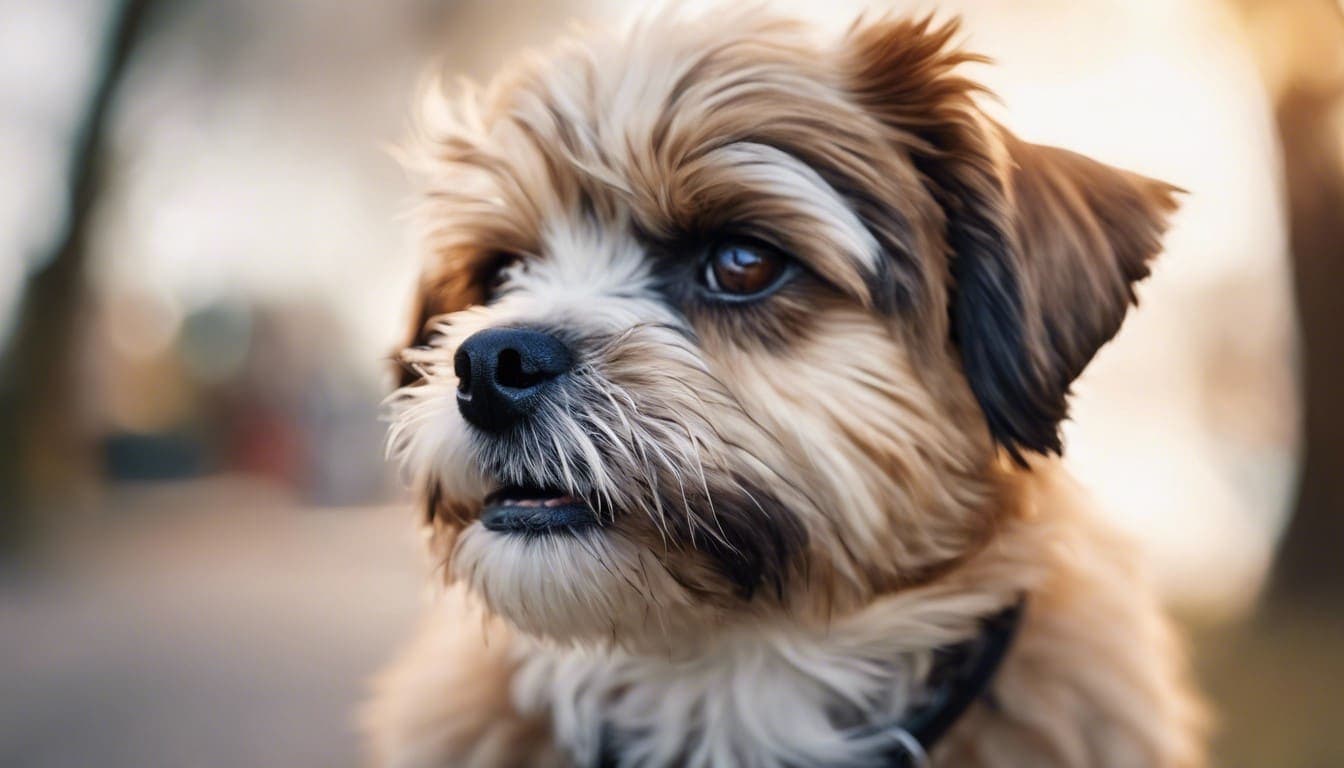
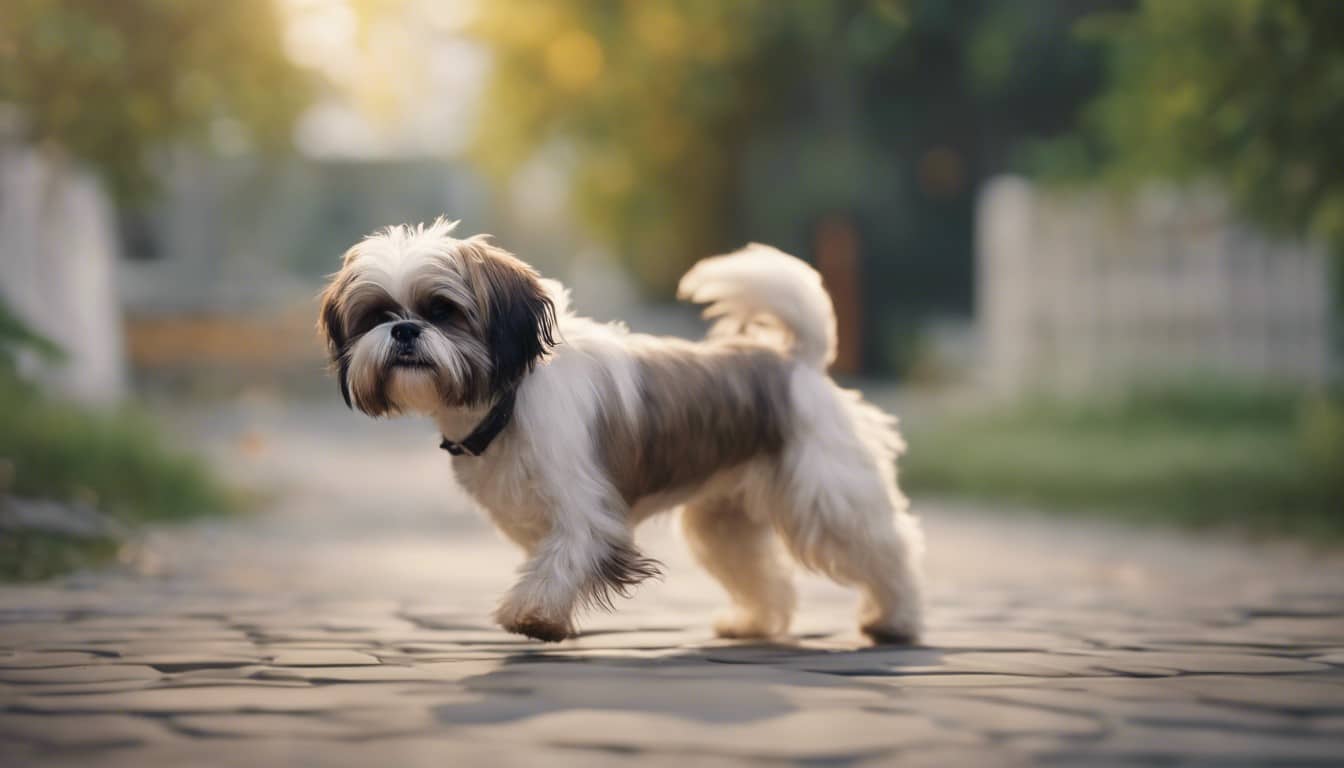
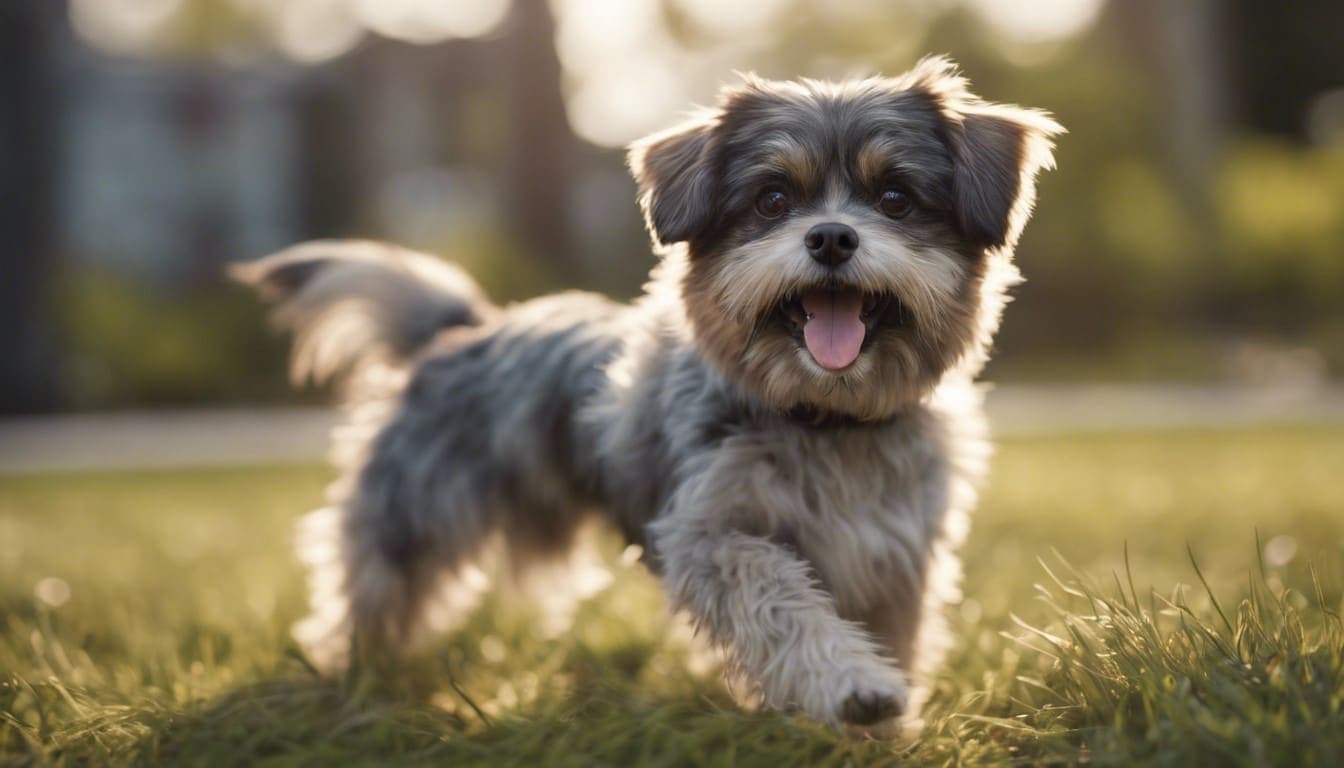
Shiranians have a teddy-bear face that wins fans on sight. Most inherit the Shih Tzu's slightly flattened muzzle and round, dark eyes, paired with the Pomeranian's fluffy double coat and plumed tail. The result looks like a stuffed toy come to life.
Coat colors run the rainbow: cream, white, tan, fawn, sable, black, brown, brindle, and parti-color patterns. Some Shiranians end up with the Pomeranian's signature fox-like fluff; others lean toward the silkier Shih Tzu coat. Coats can be straight, wavy, or slightly curly. Eyes are typically dark, expressive, and a bit prominent.
Per Dogster, adult Shiranians usually stand 7–10 inches tall and weigh 4–15 pounds, with most landing under 12. They're firmly in the toy-breed category — small enough for apartments and travel carriers, robust enough not to be classified as "teacup" (a marketing term that often signals poor breeding).
History of the Shiranian
The Shiranian is a recent designer hybrid, emerging in the United States in the late 1990s and early 2000s during the broader designer-mix boom. They are not recognized by the American Kennel Club but are registered by the Designer Breed Registry, the American Canine Hybrid Club, and the International Designer Canine Registry.
Both parent breeds are ancient. The Shih Tzu originated in Tibet and was developed further in the Chinese imperial court — the name translates to "little lion." For centuries, Shih Tzus lived as companion dogs to royalty, bred specifically for affection and beauty rather than work.
The Pomeranian traces back to the Pomerania region of central Europe (modern-day Poland and Germany), where it was selectively bred down from larger Spitz-type sled dogs. Queen Victoria famously kept Pomeranians, accelerating the breed's miniaturization in the 19th century.
Cross those two and you get a dog with the Shih Tzu's mellow lap-dog tendencies softened by the Pomeranian's spark and personality. The Shiranian is, in essence, the most "designer" of designer dogs — bred entirely for human companionship.
Temperament and Personality
Shiranians are best described as cheerful little extroverts. They love their people, want to be at the center of household activity, and will follow you from room to room.
Key personality traits:
Affectionate. Shiranians want to be on you, near you, or watching you. They're textbook lap dogs.
Playful. Toys, chase games, and short bursts of zoomies are daily features. They retain their puppyish playfulness well into adulthood.
Alert. The Pomeranian parent contributes a strong watchdog instinct. Expect barking at the door, the mail, and squirrels through the window.
Bold. Shiranians often have no idea how small they are. They'll challenge much bigger dogs without thinking twice — a habit owners need to manage to keep them safe.
Sensitive to separation. This is the big one. Per Hepper, Shiranians are highly prone to separation anxiety and do poorly when left alone for long stretches. Households where someone is home most of the day are ideal.
With strangers, Shiranians range from polite to suspicious. Socialization in puppyhood determines whether they grow into confident greeters or yappy gatekeepers. With other dogs, they generally do well — small dogs are usually their best matches.
Health
Small breeds tend to live long lives, and the Shiranian is no exception — many reach 14 or even 16 years. That said, both parent breeds bring known health concerns.
- Patellar luxation — slipping kneecap, common in toy breeds. Mild cases may need no treatment; severe cases require surgery.
- Dental disease — the number-one health problem in small breeds. Daily brushing matters.
- Tracheal collapse — a weakening of the windpipe seen in toy dogs. Use a harness, not a neck collar, for walking.
- Brachycephalic airway issues — if your Shiranian inherits a flatter Shih Tzu face, expect snoring, snorting, and heat intolerance.
- Eye conditions — corneal ulcers, dry eye, and cataracts are all possible. Prominent eyes need protection.
- Hypothyroidism — moderately common in Pomeranian lines.
- Hip dysplasia — uncommon but possible.
- Hypoglycemia — toy puppies can develop dangerously low blood sugar; feed small frequent meals during the first months.
Find a breeder who screens both parents for patella issues, eye conditions, and cardiac problems. Annual vet visits, dental cleanings, and lean body weight are the biggest levers for a long Shiranian life.
Exercise
Shiranians are moderately active — far less demanding than terriers or working breeds, but more energetic than the typical purebred Shih Tzu.
Plan on 20–40 minutes of activity per day, broken into multiple short sessions:
- Two or three 10-minute walks
- Indoor fetch with a soft toy
- Tug-of-war with a small rope
- Stair-free play sessions in a hallway
- Puzzle toys, snuffle mats, and brief training games
Important cautions:
- Avoid heat. Flatter-faced Shiranians overheat quickly. Walk in early morning or evening in summer.
- Use a harness, not a collar. A neck collar plus a leash pull can damage a small trachea.
- Watch the stairs. Many Shiranians can manage steps fine, but jumping off furniture is a common injury source.
- Don't overdo it. Toy breeds can be pushed past their limits without complaint. Short, frequent activity beats marathon outings.
Training a Shiranian
Shiranians are smart and food-motivated, which makes them more trainable than they look. The catch is consistency — they will exploit any inconsistency in the household's rules.
What works:
- Positive reinforcement. Tiny treats, praise, play. No harsh corrections.
- Short sessions. Two or three 5-minute sessions per day.
- Early socialization. Critical between 8 and 16 weeks. Introduce friendly people, sounds, surfaces, and other dogs.
- House-training patience. Small breeds are slow to housetrain. Use a strict schedule, a confined space, and frequent supervised potty breaks.
- Manage barking from day one. Reward quiet, redirect alert-barking before it becomes a fixed habit.
- Avoid "small dog syndrome." Treat your Shiranian like a small dog, not a baby. Boundaries reduce behavior problems.
Common challenges include leash reactivity toward bigger dogs, resource guarding (especially of food and laps), and the classic toy-breed bark-fest at every visitor and noise.
Grooming
This is the Shiranian's big maintenance area. Most have long, soft coats that mat easily without daily attention.
- Brushing: Daily with a pin brush, slicker brush, or both. A weekly comb-through to the skin prevents mats.
- Bathing: Every 3–4 weeks with a gentle dog shampoo and a conditioner.
- Professional grooming: Every 6–8 weeks for trimming around the face, paws, and sanitary area. Many owners opt for a low-maintenance puppy cut.
- Eyes: Wipe daily with a soft damp cloth to prevent staining; trim hair around the eyes carefully.
- Ears: Weekly checks; clean with a vet-approved solution as needed. Hair inside the ear canal may need plucking.
- Nails: Trim every 3–4 weeks.
- Teeth: Brush daily if possible. Plan on professional dental cleanings every 1–2 years.
Shiranians shed less than many breeds because of their long coat, but they are not hypoallergenic. People with severe allergies should spend time around the breed before committing.
Nutrition
Feed a high-quality small-breed kibble (with small kibble size) or a balanced fresh diet. Most adult Shiranians eat 1/4 to 1/2 cup per day, split into two or three meals.
Nutrition notes:
- Small dogs need small kibble. Choking is a real risk with adult-formula kibble.
- Protein first. Look for a named meat as the first ingredient.
- Avoid free-feeding. Weight gain hits small dogs hard.
- Puppies need frequent meals. Three to four times per day during the first six months to prevent hypoglycemia.
- Watch treats. A few too many "just one" treats can blow a Shiranian's daily calorie budget.
- Dental chews: Choose small-breed-sized chews for cleaning support.
Is the Shiranian Right for You?
Pros
- Affectionate, devoted companion
- Long lifespan (12–16 years)
- Apartment-friendly
- Adorable, often "teddy-bear" appearance
- Modest exercise needs
- Good with respectful older kids and other small dogs
Cons
- High grooming demands
- Strong separation anxiety
- Vocal — barking is a constant battle
- Stubborn streak slows training
- Heat-sensitive if Shih Tzu-faced
- Fragile around toddlers and bigger dogs
- Prone to dental, eye, and joint issues
The Shiranian is an excellent match for retirees, work-from-home owners, singles, and couples who want a small, devoted companion. They're a poor match for busy households gone 10 hours a day, families with very young children, and anyone who can't commit to daily grooming.
Looking at similar small designer breeds? Consider the Shorkie (Shih Tzu/Yorkie) or Shih-Poo (Shih Tzu/Poodle) for comparison.
Finding a Shiranian
From a breeder. Designer-dog breeder quality varies enormously. Look for someone who:
- Health-tests both parents (patella, cardiac, eye exams)
- Raises puppies inside the home with daily socialization
- Welcomes visits and lets you meet at least the mother
- Provides current vaccinations and deworming
- Offers a written health guarantee and lifetime take-back policy
- Asks questions to make sure you're a good fit
Red flags: always-available puppies, "teacup" or "micro" marketing (smaller often means sicker), no health testing, refusal to share parent records, "rare colors" sold at huge markups, or pressure to wire money before meeting the puppy.
From rescue. Shiranians and similar small mixes are common in shelters and small-breed rescues. Try Petfinder, Adopt-a-Pet, Pomeranian rescues, Shih Tzu rescues, and small-dog rescues in your area. Adult rescues skip the housetraining and crate-training period and often arrive already socialized.
Cost of Ownership
Upfront costs:
- Puppy from breeder: $500–$2,000
- Rescue/shelter adoption: $100–$400
- Initial supplies (crate, bed, harness, bowls, brushes, toys): $200–$500
- First-year vet care (vaccines, spay/neuter, microchip): $400–$800
Annual costs:
- Food: $200–$400
- Routine vet care and preventives: $300–$700
- Professional grooming (every 6–8 weeks): $400–$900
- Training classes (recommended for puppies): $100–$300
- Dental cleanings and care: $200–$500 (every 1–2 years)
- Toys, treats, gear: $100–$250
- Pet insurance: $300–$600
Plan on roughly $1,500–$3,000 per year in routine costs, with grooming and dental care being the biggest line items. Over a 14-year lifespan, that's $20,000–$40,000 — and dental surgeries or knee surgeries can add $1,500–$5,000 each.
Frequently Asked Questions
What is a Shiranian?
A Shiranian is a designer crossbreed of a Shih Tzu and a Pomeranian. They're also known as Shih-Poms, Pom-Tzus, and Pomshis.
How big do Shiranians get?
Adult Shiranians typically stand 7–10 inches tall and weigh 4–15 pounds, with most landing between 7 and 12 pounds.
Are Shiranians hypoallergenic?
No. They shed less than many breeds because of their long coat, but they still produce dander. People with severe allergies should spend time around the breed before committing.
How long do Shiranians live?
12 to 16 years is typical. Dental care, weight management, and dental and joint surveillance are the biggest contributors to a long, healthy life.
Are Shiranians good with kids?
They do best with respectful older children. Their small size makes them fragile, and they can snap when handled roughly. Toddlers and Shiranians are generally a poor match.
Can Shiranians be left alone?
Not for long stretches. They are highly prone to separation anxiety. Households where someone is home most of the day, or who use doggy daycare or pet-sitters, are best for the breed.
Do Shiranians bark a lot?
Yes, they can. Both parent breeds are alert-barkers, and the Shiranian often follows suit. Early training to reward quiet behavior makes a huge difference.
How much does a Shiranian puppy cost?
$500–$2,000 from a reputable breeder. Adoption fees from rescues typically run $100–$400. Be wary of "teacup" or "micro" Shiranians sold at premium prices — extreme miniaturization usually means poorer health.
The Shiranian is one of the most loving little companions you can welcome into your home — provided you can give them the time, grooming, and attention they need. Match their energy with consistent training, a daily brush, and a steady human presence, and you'll have a devoted, joyful pocket-sized friend for the next decade-plus.