
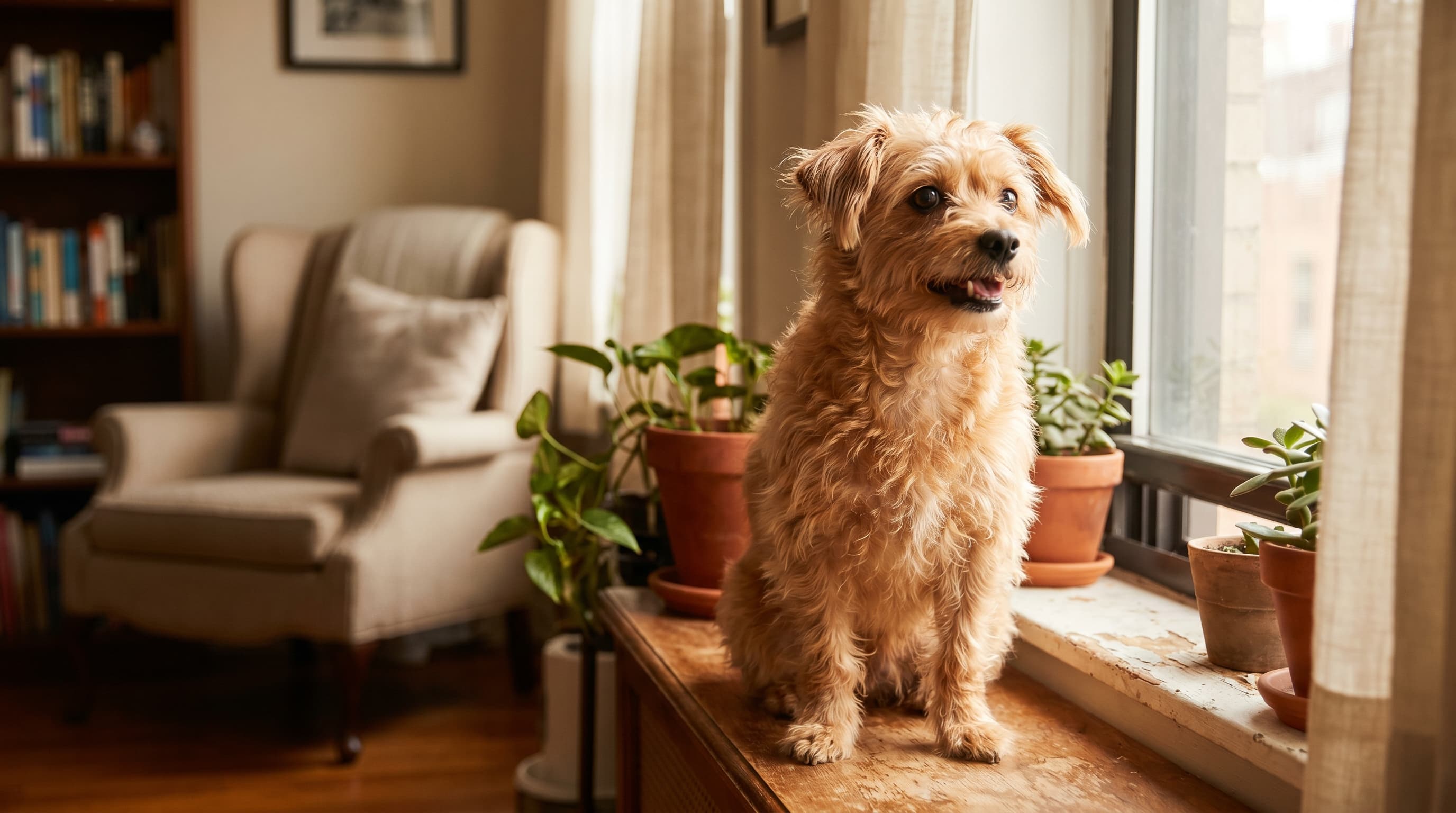

The Chi-Poo is a small designer crossbreed between a Chihuahua and a Toy or Miniature Poodle, also known as the Choodle, Chipoo, or Poochi. Weighing roughly 5–20 pounds with a lifespan of 12–15 years, this pint-sized companion blends Chihuahua loyalty with Poodle smarts. The result is an affectionate, alert, and surprisingly trainable little dog that's perfect for apartment living.
Equal parts lapdog and watchdog, the Chi-Poo packs an enormous personality into a tiny frame. Whether you're considering adding one to your family or already share your home with a Choodle, this complete guide covers appearance, temperament, health, training, grooming, and everything in between.
What Is a Chi-Poo?
The Chi-Poo is a first-generation hybrid created by crossing a Chihuahua with a Toy or Miniature Poodle. Like most designer dogs, it emerged during the crossbreeding boom of the late 20th century, with breeders aiming to combine the Chihuahua's bold, loyal nature with the Poodle's intelligence and lower-shedding coat. Because it's a mix rather than a standardized breed, individual Chi-Poos can lean more toward one parent than the other in looks and temperament.
If you want to understand the building blocks of this hybrid, our profiles of the Chihuahua and the Toy Poodle are the perfect place to start.
Chi-Poo Appearance
Chi-Poos are small, lightweight dogs whose exact look varies from pup to pup. Most fall within these ranges:
- Weight: 5–20 pounds
- Height: 5–15 inches at the shoulder
- Coat: Curly, wavy, or short, depending on which parent's genes dominate
- Colors: White, black, brown, cream, fawn, apricot, and sable, often in combinations
- Build: Petite and compact with expressive eyes and alert ears
Coat type matters for grooming. Curlier, more Poodle-like coats tend to shed less but need more frequent professional trims, while shorter Chihuahua-style coats are lower maintenance but may shed a bit more.
Temperament and Personality
Chi-Poos are devoted "velcro dogs" with personalities far bigger than their size. They bond intensely with their owners, thrive on attention, and make alert, vocal watchdogs that will announce every visitor. They're playful, curious, and often eager to please, especially the more Poodle-leaning individuals, which makes them a joy for owners who want an interactive companion.
That loyalty comes with caveats. Chi-Poos can be prone to separation anxiety and may bark excessively if under-stimulated or left alone too long. They can also inherit a stubborn, sometimes feisty streak from the Chihuahua side. Because they're small and delicate, they typically do best in homes with older, gentle children, and interactions with toddlers should always be supervised.
Chi-Poo Health and Lifespan
Chi-Poos are generally healthy and long-lived, often reaching 12–15 years with good care. As a small mixed breed, however, they can inherit conditions common to both parent lines. According to PetMD and Wag!, the conditions to be aware of include:
- Patellar luxation: A slipping kneecap common in small breeds, which can cause intermittent skipping or holding up a hind leg.
- Hypoglycemia: Low blood sugar, especially in very small puppies and teacup-sized individuals, which is why frequent small meals matter for young dogs.
- Dental disease: Crowded small mouths make regular tooth brushing and dental checkups essential.
- Progressive retinal atrophy and other eye conditions.
- Tracheal collapse and luxating patella, both seen in toy breeds.
As breed resources like Dog Academy and Chihuahua Nest emphasize, routine veterinary checkups, balanced nutrition, and healthy-weight maintenance go a long way toward a long, comfortable life. This is general information, not veterinary advice, please consult your vet about your individual dog.
Training and Exercise
Don't let the small size fool you, Chi-Poos are energetic and need about 30–45 minutes of activity each day through short walks, indoor play, and mental enrichment. Puzzle toys and games are excellent for tiring out their busy minds.
On the training front, Chi-Poos are intelligent but can be willful. House training in particular often takes patience, sometimes four to six months, so crate training and a consistent routine help enormously. Use positive, reward-based methods; harsh corrections backfire with sensitive small dogs. Early socialization is key to preventing the timidity or "small dog syndrome" that under-socialized toy breeds can develop.
Grooming and Care
Grooming needs depend on coat type. Curly, Poodle-like coats usually require professional grooming every 6–8 weeks plus regular at-home brushing to prevent matting, while shorter coats need only weekly brushing. Regardless of coat, all Chi-Poos benefit from:
- Frequent tooth brushing to combat their high risk of dental disease
- Routine nail trims and ear cleaning
- Occasional baths to keep the coat clean and healthy
For coat-style inspiration on the Poodle side, browse our guide to popular Poodle haircuts.
Is a Chi-Poo Right for You?
The Chi-Poo is an excellent fit for apartment dwellers, singles, seniors, and families with older children who want an affectionate, portable, relatively low-shedding companion. They're ideal for people who are home often and can give their velcro dog plenty of attention.
They're less suited to households where the dog would be alone all day, homes with very young or rambunctious children, or owners unprepared for consistent training and dental care. If you love the small-doodle look, you might also enjoy our profiles of the Malti-Poo and the Peke-a-Poo.
History of the Chi-Poo
The Chi-Poo is part of the wave of intentional small-dog crosses that gained popularity from the 1970s and 1980s onward, as breeders began pairing Poodles with other breeds to combine the Poodle's intelligence and lower-shedding coat with a partner breed's traits. Crossing a Chihuahua, one of the world's oldest and tiniest companion breeds with deep Mexican roots, with a Toy or Miniature Poodle produced a small, smart, and devoted dog well suited to modern apartment life.
Like other designer dogs, the Chi-Poo is not recognized as a standardized breed by major kennel clubs, and there is no official breed standard governing size, coat, or color. As breed databases such as 101 Dog Breeds note, this means individual Chi-Poos can vary considerably, even within the same litter. For buyers, that variability makes choosing an ethical, health-screening breeder, or adopting from a small-breed rescue, especially important.
Feeding and Nutrition
Small dogs have fast metabolisms but tiny stomachs, so quality and portion control matter. Most Chi-Poos thrive on a high-quality food formulated for small or toy breeds, which typically offers smaller kibble and calorie-dense nutrition. Adults usually do well with two measured meals a day, while young puppies often need more frequent small meals to guard against hypoglycemia, your veterinarian can advise on the right schedule.
Because Chi-Poos are prone to weight gain and dental disease, go easy on treats and avoid sugary or starchy human foods. Dental-friendly chews and a consistent tooth-brushing routine help protect those crowded little mouths. Always keep fresh water available, and check with your vet before changing your dog's diet, especially for puppies, seniors, or dogs with health conditions.
Frequently Asked Questions
What is a Chi-Poo?
A Chi-Poo is a designer crossbreed between a Chihuahua and a Toy or Miniature Poodle. It's also called a Choodle, Chipoo, or Poochi and is prized as a small, affectionate, and intelligent companion dog.
How big do Chi-Poos get?
Chi-Poos typically weigh between 5 and 20 pounds and stand 5 to 15 inches tall, depending on the size of the Poodle parent and which genes the puppy inherits.
How long do Chi-Poos live?
With proper care, Chi-Poos generally live 12 to 15 years. Good nutrition, dental care, weight management, and regular veterinary checkups support a long, healthy life.
Do Chi-Poos shed a lot?
Most Chi-Poos are low-to-moderate shedders, with curlier, more Poodle-like coats shedding the least. No dog is fully hypoallergenic, but many people with mild allergies tolerate Chi-Poos well.
Are Chi-Poos easy to train?
They're intelligent and capable but can be stubborn, and house training often takes time. Consistent, positive, reward-based training combined with early socialization yields the best results.
Do Chi-Poos bark a lot?
They can. Chi-Poos are alert watchdogs that tend to bark at noises and visitors, and they may bark more if bored or anxious. Training, exercise, and mental stimulation help keep barking in check.
The Bottom Line: Is the Chi-Poo a Good Dog?
For the right owner, the Chi-Poo is a fantastic little dog, affectionate, clever, portable, and adaptable to apartment life. Its biggest strengths are devotion and personality; its biggest challenges are barking, stubbornness during training, separation anxiety, and the dental and joint issues common to small breeds. None of these are dealbreakers, but they do reward owners who are present, patient, and proactive about care.
If you can offer consistent training, daily companionship, regular grooming, and good veterinary care, a Chi-Poo will repay you with years of loyal, loving company. As with any dog, success comes down to matching the breed's needs to your lifestyle, and for many singles, seniors, and families with older children, the Chi-Poo is a near-perfect fit.
Discover More Pint-Sized Companions
If the Chi-Poo's big personality has won you over, get to know its parent breeds in our complete guides to the loyal Chihuahua and the brilliant Toy Poodle. Comparing the two is the best way to understand what makes this hybrid tick.
For more small-breed spotlights, training tips, and feel-good dog stories, subscribe to the Daily Wag newsletter and keep the tail-wagging content coming.


