
The Border Beagle is a designer crossbreed that pairs the workaholic Border Collie with the scent-driven Beagle. The result is a medium-sized, high-energy, intelligent dog with a friendly streak a mile wide. Border Beagles tend to weigh 20–40 pounds, live 12–15 years, and need an active home that can keep up with their Collie brains and Beagle nose. If you want a "couch potato," look elsewhere. If you want a clever, athletic companion for hiking, agility, and family life, the Border Beagle may be your match.
Border Beagle at a Glance
- Parent breeds: Border Collie x Beagle
- Other names: Beagle Collie, Border Collie Beagle Mix
- Height: 13–20 inches
- Weight: 20–40 pounds
- Lifespan: 12–15 years
- Coat: Short to medium, dense, smooth
- Shedding: Moderate, year-round
- Energy level: High
- Trainability: High, with a stubborn streak
- Good with kids: Yes, with supervision
- Good with other dogs: Generally yes
- Apartment-friendly: Only with heavy daily exercise
Appearance: What Does a Border Beagle Look Like?
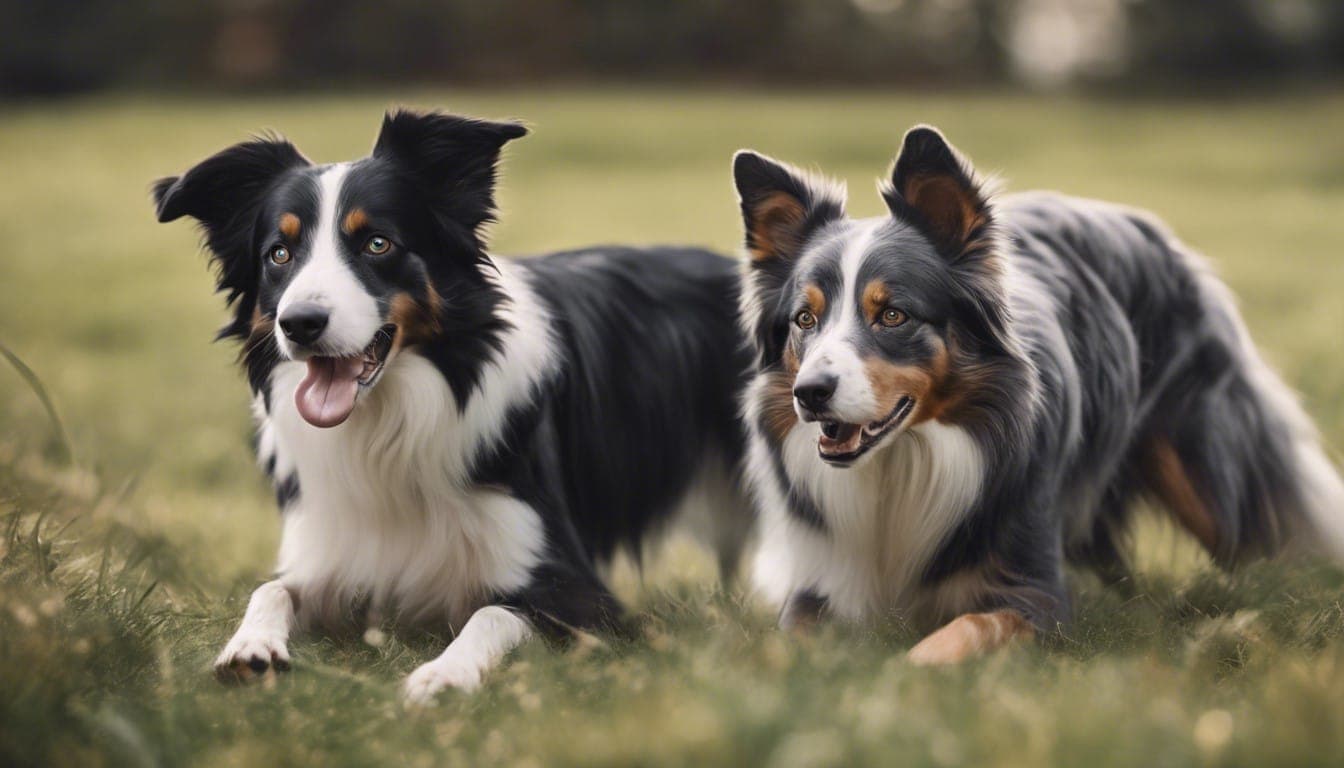
Because the Border Beagle is a first-generation cross, no two pups look exactly alike. Most land somewhere between their Beagle and Border Collie parents in size and shape. Expect a sturdy, well-muscled body with a deep chest, medium-length legs, and a long, often-feathered tail carried high.
The coat is usually short to medium-length and dense, designed for life outdoors. Common colors include tri-color (black, white, and tan), black-and-white, red-and-white, brown-and-white, and blue merle when the Collie parent carries that gene. Ears are typically floppy like a Beagle's, though some pups inherit the Collie's semi-pricked ears. Eyes are bright and almond-shaped, ranging from warm brown to (occasionally) blue.
According to 101DogBreeds, Border Beagles average around 19 inches at the shoulder and 30 pounds, putting them squarely in the medium-dog category — small enough to wrangle, big enough to keep up on a long hike.
History of the Border Beagle
The Border Beagle is a modern designer mix, likely emerging in the late 1990s or early 2000s alongside the broader designer-dog trend. Like most hybrids, it has no formal breed standard and is not recognized by the American Kennel Club, though designer-dog registries such as the Designer Breed Registry and the International Designer Canine Registry list it.
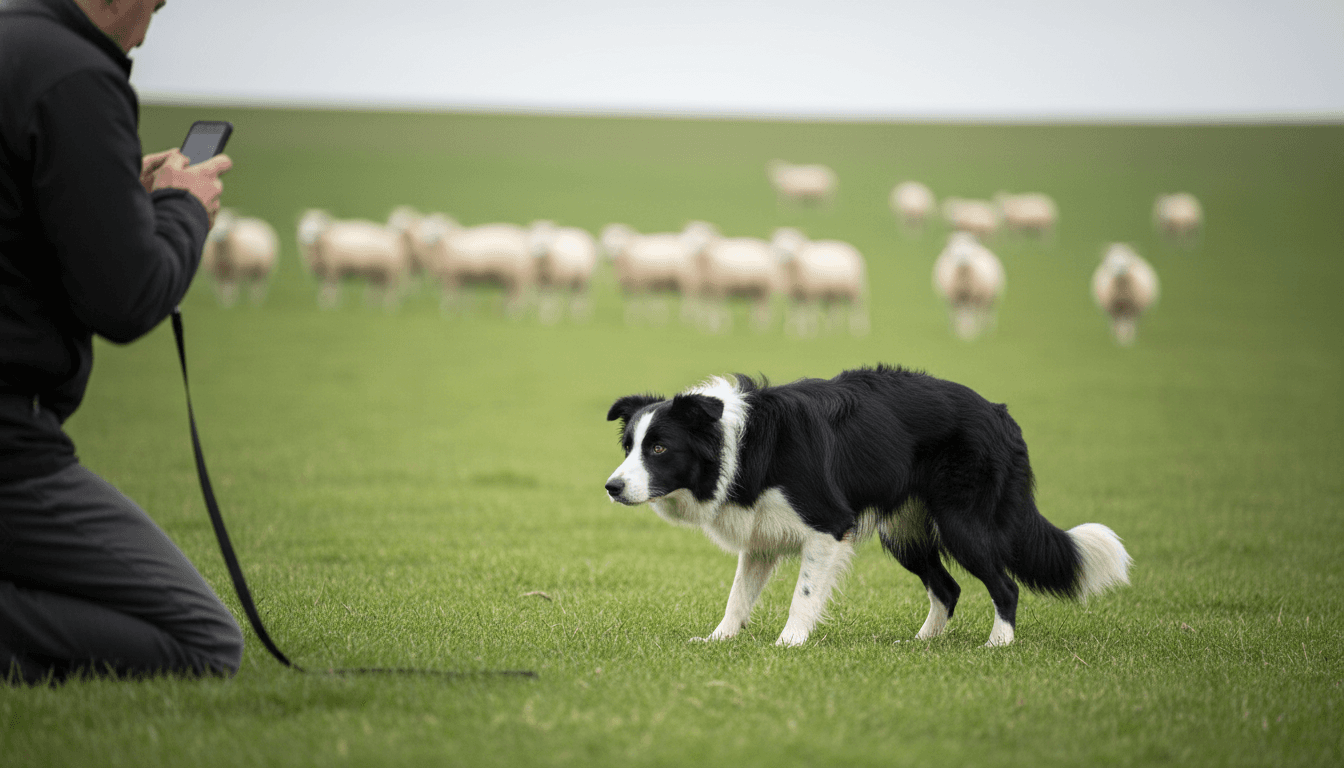
To understand the Border Beagle, you have to know both parents. The Border Collie traces back to the rugged border country between England and Scotland, where shepherds bred them for endurance, intelligence, and the famous "eye" — that intense stare used to move sheep. Even today, the Border Collie is widely considered the most intelligent dog breed.
The Beagle is far older. Small scent hounds resembling modern Beagles have been documented in England since at least the 1500s, where they were used to hunt rabbits and hare in packs. The Beagle's nose ranks among the most sensitive in the canine world, second only to the Bloodhound.
Cross those two histories and you get the Border Beagle: a dog with the brains and biddability of a Collie and the nose, sociability, and "let's-go-find-something" attitude of a Beagle.
Temperament and Personality
The Border Beagle is, in a word, busy. They want to know what you're doing, where you're going, and whether they can come too. They form deep bonds with their people and generally do well in households with kids and other dogs.
Three traits dominate:
Intelligence. Border Collie genes make this hybrid quick to pick up new commands and routines. They thrive on problem-solving — puzzle toys, scent work, and trick training all give them an outlet.
Drive. Both parents are working breeds. A bored Border Beagle becomes a destructive Border Beagle. Expect chewed shoes, dug-up gardens, and serenades of howling if their needs aren't met.
Independence. The Beagle in them means "come" is a suggestion when something smells interesting. Off-leash freedom should be earned slowly, in fenced areas, with rock-solid recall built through years of practice.
Border Beagles are typically friendly with strangers — more "hello, friend!" than "back off." That makes them lousy guard dogs but excellent companions for social households. Per Canine Journal, the breed's intelligence and energy make them best suited to active families, joggers, hikers, and people willing to put in real training time.
Health
Border Beagles benefit from "hybrid vigor" — the genetic diversity that often makes mixed-breed dogs healthier than their purebred parents. That said, both parent breeds carry inherited conditions you should know about.
Common health concerns include:
- Hip dysplasia — a malformation of the hip joint that can cause arthritis. Reputable breeders screen parent dogs with OFA or PennHIP testing.
- Collie eye anomaly (CEA) — an inherited eye condition that ranges from mild to vision-threatening.
- Epilepsy — both parent breeds have higher-than-average rates.
- Intervertebral disc disease (IVDD) — a risk if your Border Beagle inherits a longer, lower body type.
- Obesity — Beagles are infamous food thieves, and excess weight worsens every joint problem on this list.
- Ear infections — long floppy ears trap moisture; weekly checks are essential.
- Hypothyroidism — common in Border Collies; ask whether the breeder tests thyroid panels.
Annual vet checkups, current vaccinations, monthly heartworm and flea/tick prevention, and dental cleanings are non-negotiable. Most Border Beagles live 12–15 years when well cared for.
Exercise: How Much Do Border Beagles Need?
Plan on a minimum of 60–90 minutes of vigorous exercise per day, plus mental work. That's the floor, not the ceiling. A 30-minute walk around the block won't cut it.
Great outlets for a Border Beagle:
- Long-leash hikes on varied trails
- Fetch in a fenced yard
- Agility, flyball, or treibball classes
- Scent-work or nose-work classes (made for that Beagle nose)
- Frisbee or jolly-ball games
- Jogging or trail running with you
- Swimming, if your dog enjoys water
Mental exercise matters as much as physical. Puzzle feeders, snuffle mats, "find it" games, and short trick-training sessions tire out the Collie brain. A Border Beagle that hikes for an hour and then has nothing to think about will still get into trouble.
Critical note: never let a Border Beagle off-leash in an unfenced area until you have years of recall training behind you. The Beagle nose can override even the best training when prey scent enters the equation.
Training a Border Beagle
The good news: Border Beagles are highly trainable. The bad news: they're also clever enough to outsmart inconsistent owners.
What works:
- Positive reinforcement. High-value treats, praise, and play. Harsh corrections tend to backfire with both parent breeds.
- Short, frequent sessions. Two or three 5–10 minute sessions per day beat one long session.
- Early socialization. Expose your Border Beagle puppy to new people, dogs, surfaces, sounds, and environments between 8 and 16 weeks.
- Crate training. Helps with house-training and gives the dog a safe den.
- Consistent recall practice. Start indoors, graduate to a long line in a fenced yard, and never punish your dog for coming back — even slowly.
- Job assignment. Pick a sport — agility, nose work, rally — and pursue it. A Border Beagle with a job is a happy Border Beagle.
Common challenges include selective hearing when scenting, vocal protests (Beagle baying can wake neighbors), and "Border Collie stare" — that intense focus that can escalate to nipping at moving children or cyclists if not redirected.
Grooming
The Border Beagle is moderate-maintenance in the grooming department.
- Brushing: 2–3 times per week with a slicker brush or grooming mitt; daily during seasonal shedding.
- Bathing: Every 4–8 weeks, or when dirty. Over-bathing strips skin oils.
- Nails: Trim every 3–4 weeks. If you hear clicking on hard floors, they're too long.
- Ears: Check weekly. Wipe with a vet-approved cleaner; the floppy Beagle ears trap moisture and yeast.
- Teeth: Brush 2–3 times per week (daily is better) with dog-safe toothpaste.
- Eyes: Wipe gently to clear any discharge.
Border Beagles shed moderately year-round and heavier twice a year. Invest in a good vacuum.
Nutrition
Feed a high-quality, complete-and-balanced dog food appropriate for your dog's life stage. Most adult Border Beagles do well on 1 to 2 cups of dry kibble per day, split into two meals. Active dogs need more; couch-leaning dogs need less.
Key nutrition notes:
- Watch the waistline. The Beagle parent passes down a serious food drive. Border Beagles will eat themselves into obesity if allowed.
- Protein: Look for a named meat as the first ingredient (chicken, beef, salmon, lamb).
- Joint support: Glucosamine and chondroitin can help, especially as your dog ages.
- Avoid free-feeding. Set meal times. Measure with a cup, not eyeballed scoops.
- Treats: Cap at 10% of daily calories.
If you're unsure of portions, ask your vet to body-condition-score your dog at the next visit and recommend a target weight.
Is the Border Beagle Right for You?
Pros
- Highly intelligent and trainable
- Friendly with kids, other dogs, and visitors
- Manageable medium size
- Long lifespan (12–15 years)
- Low-maintenance coat
- Excellent hiking, running, and sport partner
Cons
- Very high exercise and mental-stimulation needs
- Beagle nose can override recall; off-leash freedom is risky
- Vocal — howling and baying are common
- Prone to obesity if portions aren't controlled
- Bored or under-exercised dogs become destructive
- Not ideal for full-time-away households
The Border Beagle is a great match for active singles or families with a fenced yard, time for daily exercise, and patience for training. They are a poor match for people who want a low-energy lap dog, work 12-hour days away from home, or live in apartments without a robust exercise plan.
Finding a Border Beagle
From a breeder. Because the Border Beagle is a designer mix, breeders are less regulated than purebred breeders. Look for someone who:
- Health-tests both parent dogs (hip, eye, thyroid, MDR1 for the Collie parent)
- Lets you visit and meet both parents
- Raises puppies in the home, not in a kennel
- Begins socialization, deworming, and first vaccines before placement
- Asks you questions about your home and lifestyle
- Offers a written health guarantee and take-back policy
Red flags: multiple litters always available, no health testing, "rare colors" sold at a premium, pressure to pay deposit before meeting puppies, refusal to share parents' health records.
From rescue. Border Beagles and Border Collie mixes end up in shelters often, frequently because owners underestimated their energy. Search Petfinder, Adopt-a-Pet, and breed-specific rescues like Border Collie Rescue, Beagle Freedom Project, and BREW (Beagle Rescue, Education, and Welfare).
Cost of Ownership
Expect to invest both upfront and over the long haul.
Upfront costs:
- Puppy from breeder: $500–$1,500
- Rescue/shelter adoption: $100–$400
- Initial supplies (crate, bed, leash, bowls, toys): $300–$600
- First-year vet care (vaccines, spay/neuter, microchip): $400–$900
Annual costs:
- Food: $400–$700
- Routine vet care and preventives: $400–$800
- Grooming supplies (or occasional pro grooming): $50–$200
- Training classes: $100–$400
- Toys, treats, and gear: $150–$300
- Pet insurance: $300–$700
Plan on $1,500–$3,000 per year, plus a buffer for emergencies. Over a 13-year lifespan, that's $20,000–$40,000 — before any major medical event.
Frequently Asked Questions
Are Border Beagles good with kids?
Yes. Border Beagles are friendly, playful, and patient with respectful children. As with any dog, supervise interactions with toddlers and teach kids how to read canine body language. The Border Collie parent may try to "herd" running children — redirect that behavior early.
How much exercise does a Border Beagle need?
At least 60–90 minutes of vigorous activity per day, plus mental enrichment. Without it, expect destructive behavior, excessive barking, and escape attempts.
Do Border Beagles bark or howl a lot?
They can. The Beagle parent contributes the classic baying voice, while the Border Collie may bark at moving objects or perceived "intruders." Apartment dwellers should consider this carefully.
Are Border Beagles good apartment dogs?
Only if you can guarantee multiple long walks, off-property exercise, and mental stimulation every single day. A small space without an outlet is a recipe for behavior problems.
How long do Border Beagles live?
12 to 15 years is typical. Lean body weight, dental care, and regular vet visits are the biggest levers for a long, healthy life.
Are Border Beagles hypoallergenic?
No. They shed moderately year-round and heavier seasonally. Neither parent breed is hypoallergenic.
How much does a Border Beagle puppy cost?
$500–$1,500 from a reputable breeder. Rescue adoptions typically run $100–$400. Be wary of much higher prices marketed as "rare" — designer-mix puppies don't justify purebred-show prices.
Can Border Beagles be left alone?
Not for long stretches. They're social, smart, and prone to separation anxiety. Four hours is a reasonable maximum for an adult; puppies need much more frequent attention.
The Border Beagle isn't the right dog for everyone — but for the right home, they are one of the most rewarding mixed breeds you can bring into your life. If you can match their energy, harness their intelligence, and out-stubborn their nose, you'll have a loyal, hilarious, hard-working companion for the next decade and a half.